

Resource Guild
Waterspace
Rivers, lakes, coasts, and the water that connects us
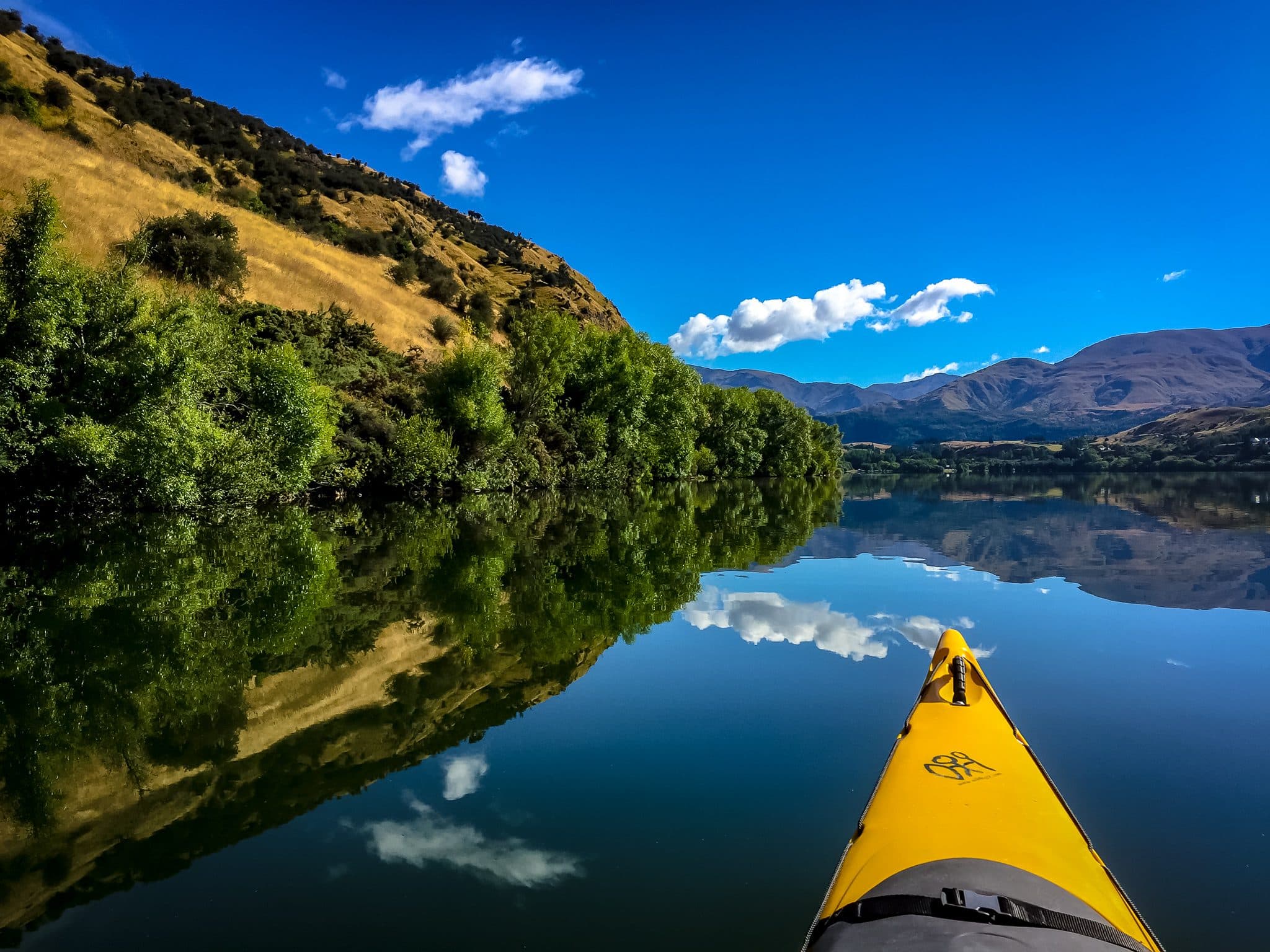
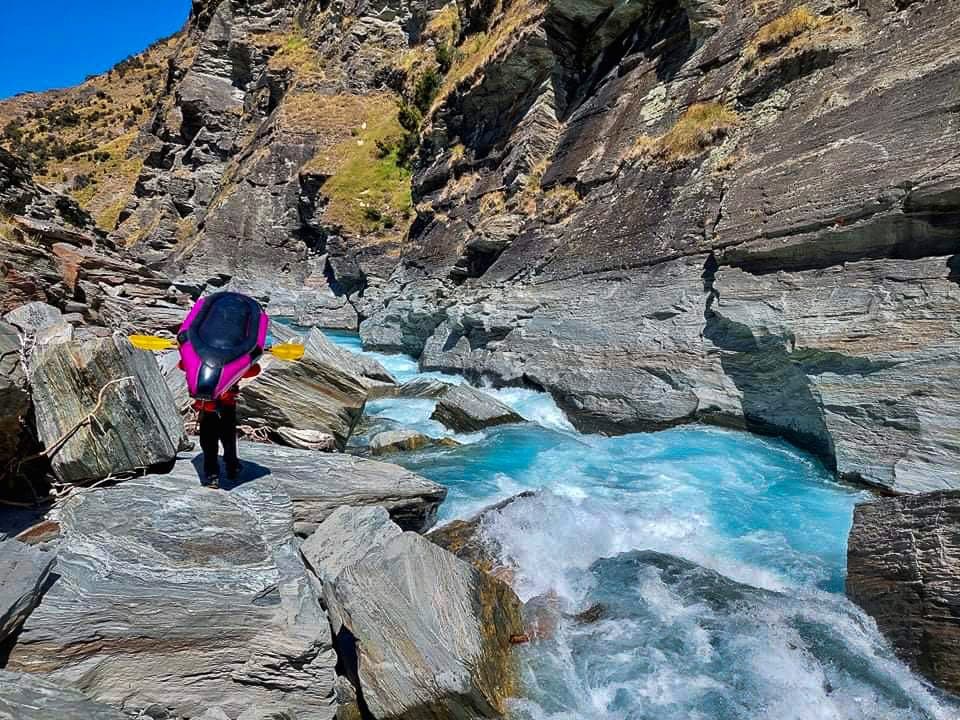
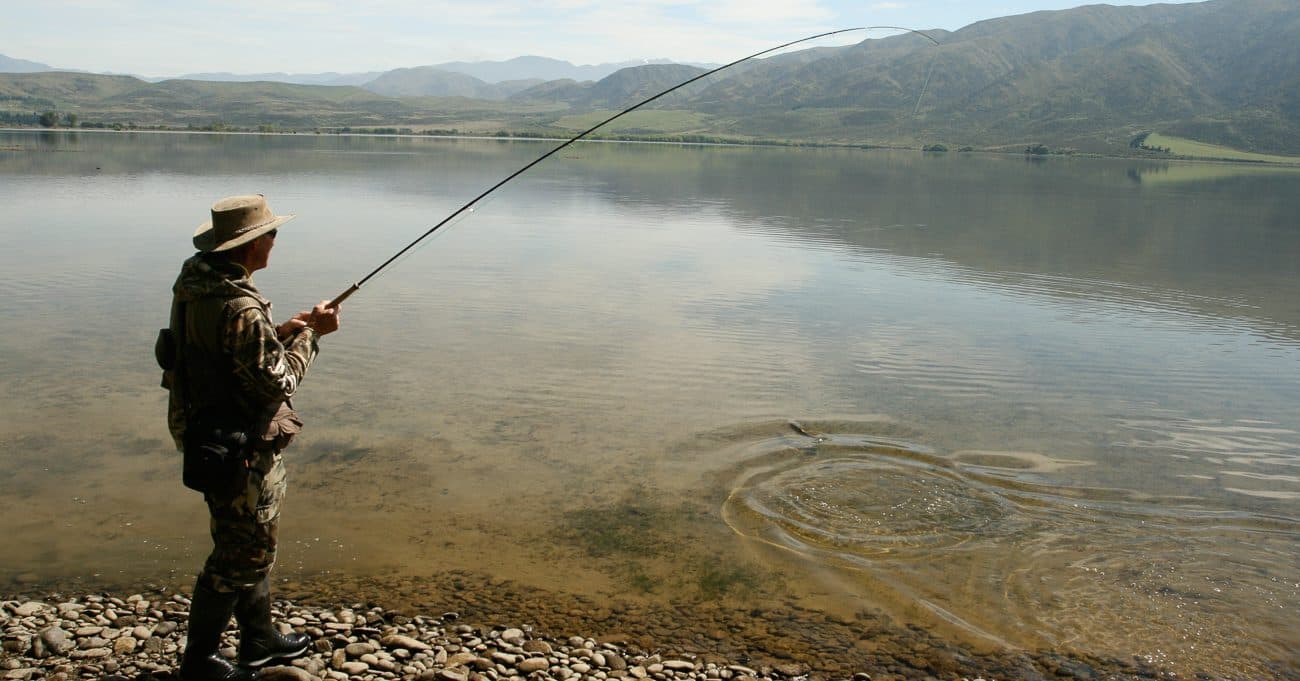
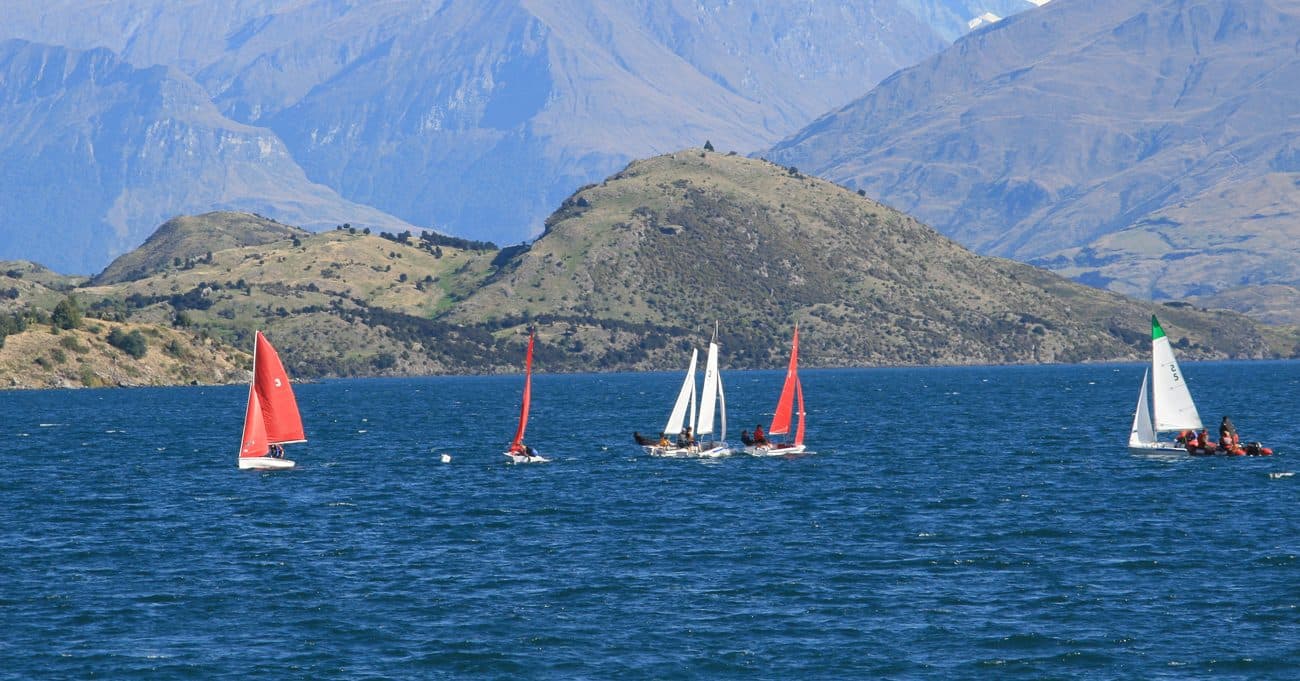
Waterspace is kayaking down the Buller, fishing the Clutha, diving off the Coromandel, sailing the Sounds, or simply swimming in a river you have known your whole life. It is also where some of the biggest environmental and planning decisions happen – dam proposals, water allocation, freshwater quality, marine reserves, coastal development. If you spend time on or in the water, Waterspace is your guild.
Who's in Waterspace?
- Kayaking and rafting clubs and guides
- Fishing communities (recreational and commercial)
- Sailing and boating organisations
- Coastal recreation groups
- Diving and snorkelling communities
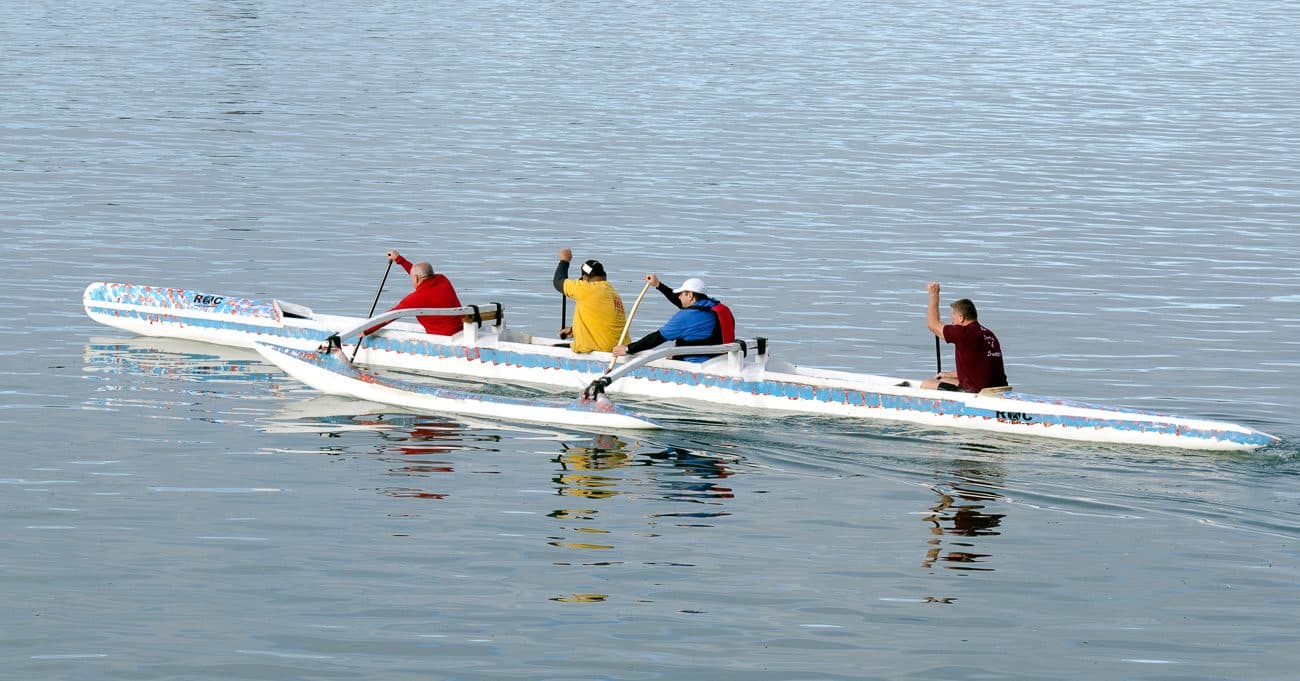
- Waka ama and traditional paddling groups
- Marine conservation organisations
- River monitoring networks
- Swimmers and water sports enthusiasts
Key federations
- Yachting New Zealand
- Coastguard New Zealand
- NZ Recreational Fishing Council
Why it matters
Water is contested. Farmers need it for irrigation. Cities need it for drinking. Power companies need it for generation. Fishers need it for fish. Kayakers need it to flow. Environmental flows, water quality, access rights, and coastal development are constantly being negotiated. Nemo watches the freshwater and marine systems so you can have a say.
What Nemo alerts you to
- Water allocation and resource consent applications
- Freshwater quality and environmental flow decisions
- Marine reserve and marine protection proposals
- Coastal development and seabed mining applications
- River and lake management plan changes
- Fishing regulation changes
- Flood and water safety alerts
- River flow and water level monitoring
Why Ocean Blue Colour?
The Waterspace Guild uses Ocean Blue (#3A708E) from the Water family of the DR GIS Colour Scheme. Our colours follow Nelson's "looks like the thing" principle – every colour must survive the question "does this look like what it represents?"