

Community structure
The guilds
Guilds are how Digital Reef organises its community.
The Digital Reef serves six functional guilds – groups of people and organisations who share a common interest in a particular domain, regardless of their formal structure or background. Think of ecological guilds: organisms that exploit the same resource class, whether they are fish, birds, or insects.
Guilds let us route information to the people who need it, without forcing everyone into the same box. A kayaker and a conservation scientist might both care about a river – but for different reasons. A person using a wheelchair and a mountain biker both need accessible routes. Guilds recognise these overlaps and differences.
Resource guilds
Defined by the environment they operate in. These guilds group activities that share a physical domain – air, land, or water.
Resource Guild
Airspace
Aviation, paragliding, drones, and the sky above Aotearoa
Paragliding and hang gliding, Skydiving, Drone and UAV operations, General aviation, Ballooning, and more.
Resource Guild
Landspace
Tramping, hunting, biking, climbing, and the land beneath our feet
Tramping and hiking, Hunting, Mountain biking and cycling, Rock climbing and mountaineering, 4WD and off-road, and more.
Resource Guild
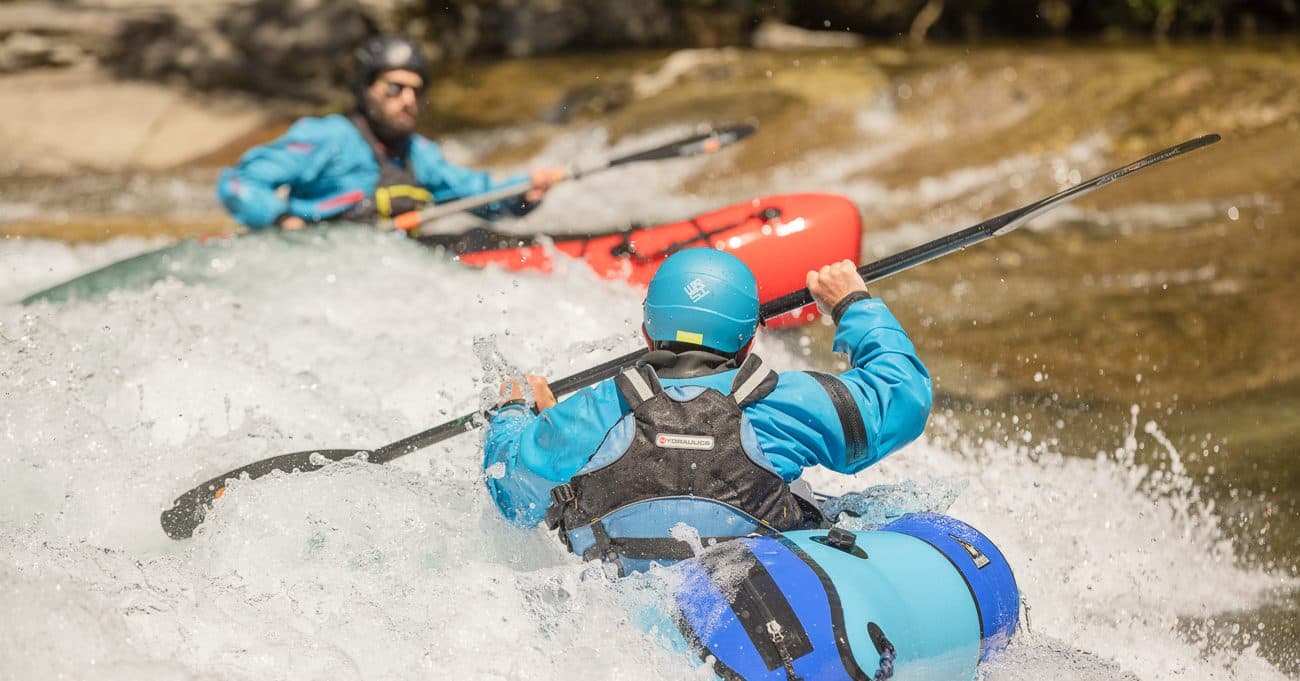
Waterspace
Rivers, lakes, coasts, and the water that connects us
Kayaking and rafting, Fishing (recreational and commercial), Sailing and boating, Coastal recreation, Diving and snorkelling, and more.
Cross-cutting guilds
These guilds operate across all environments. Their work spans air, land, and water – and they often intersect with resource guilds.
Cross-cutting Guild
Accessibility
Universal access, inclusive recreation, and the right to participate
Adaptive sport and recreation, Wheelchair-accessible outdoor experiences, Inclusive trail design, Universal design advocacy, Assistive technology for outdoor access, and more.
Cross-cutting Guild
Emergency Response
Search and rescue, civil defence, natural hazards, and the systems that keep us safe
Search and rescue, Coastguard operations, Surf lifesaving, Civil defence and emergency management, Emergency communications, and more.
Cross-cutting Guild
Taiao
Biodiversity, habitat restoration, pest management, and the living world
Biodiversity protection, Predator and pest control, Habitat restoration, Wetland and waterway restoration, Citizen science, and more.
6
purposive guilds
National
federation networks
Nationwide
community coverage
Why guilds?
Landspace is foundational
All outdoor recreation depends on land access.
Cross-cutting membership
Organisations can belong to multiple guilds.
Symbiotic infrastructure
Guilds share monitoring and data pipelines.
Kaitiakitanga alignment
Conservation is visible across all domains.
You can join more than one
Your group can belong to more than one guild. Many groups do.
For example, a tramping club that does pest control would join Landspace and Conservation. A coastguard unit would join Waterspace and Emergency Response.
You choose the guilds that fit your group. We help you decide which ones make sense.
When Nemo finds a new notice, it works out which guilds care about it. Then it sends the notice to those guilds. This means you only get information that matters to you.
How Nemo uses guild blocks so you can see the information you need
Every event that Nemo detects – a consultation, a consent application, a river closure, a new regulation – gets tagged with the guilds it affects. If you are part of a guild, you can be emailed the notices that matter to your community. No spam. No missed deadlines. No trying to find the data on your own.